
“Because the global church didn’t listen…”
By Esther Epp-Tiessen, CFOS Board Member
“We didn’t want to write this document,” insisted Palestinian pastor Munther Isaac at the November 14 release of the historic Kairos Palestine II. “But we had to write it. Because the global church didn’t listen and didn’t act in 2009.”
Isaac was speaking to an international gathering held in Bethlehem in mid-November. Two hundred and fifty people were present, including 80 guests from 23 countries. I and six other Canadians were among those privileged to attend.
Kairos Palestine is a movement of Palestinian churches, groups, and individuals which emerged in 2009 around the release of Kairos Palestine I. That document urged the global church and the international community to come alongside Palestinians and demand an end to the illegal Israeli military occupation that was suffocating them.**
Kairos Palestine II describes the catastrophic new realities that Israel has inflicted on Palestine since October 7, 2023: outright genocide in Gaza, a “silent genocide” in the West Bank, ethnic cleansing and apartheid throughout Palestine/Israel. It asserts that Israel has turned “Palestinian existence into an unbearable hell.”
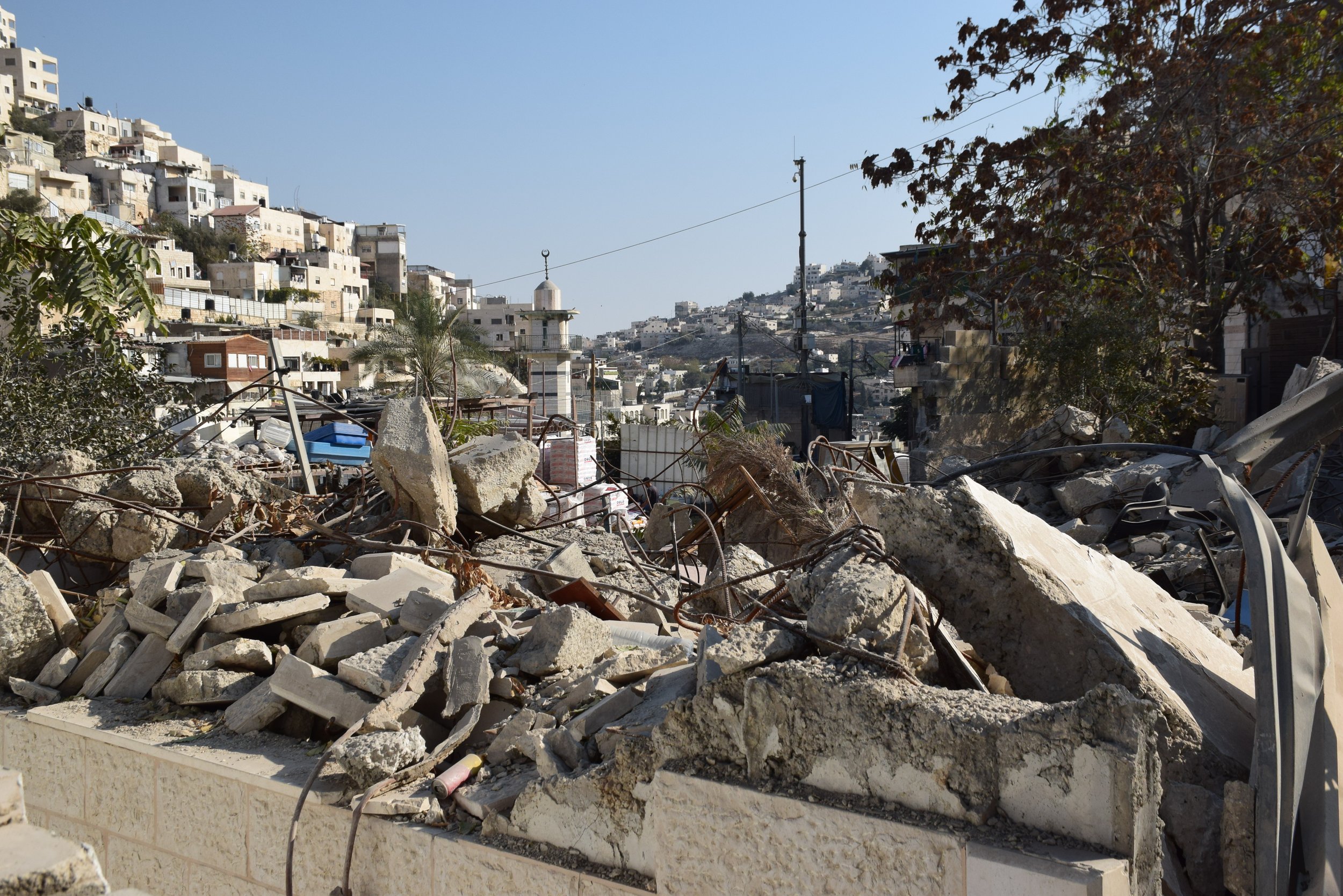
In the days prior to and after the conference, we saw devastating evidence of this hell in the West Bank. We heard from a dozen women, men and youth made homeless, when Israel’s military levelled three large refugee camps in the northern West Bank, displacing 32,000. We talked to young adults in the Silwan area of East Jerusalem whose community centre, along with 150 homes housing about 1000 people, have been systematically demolished by Israeli bulldozers in the past two years.
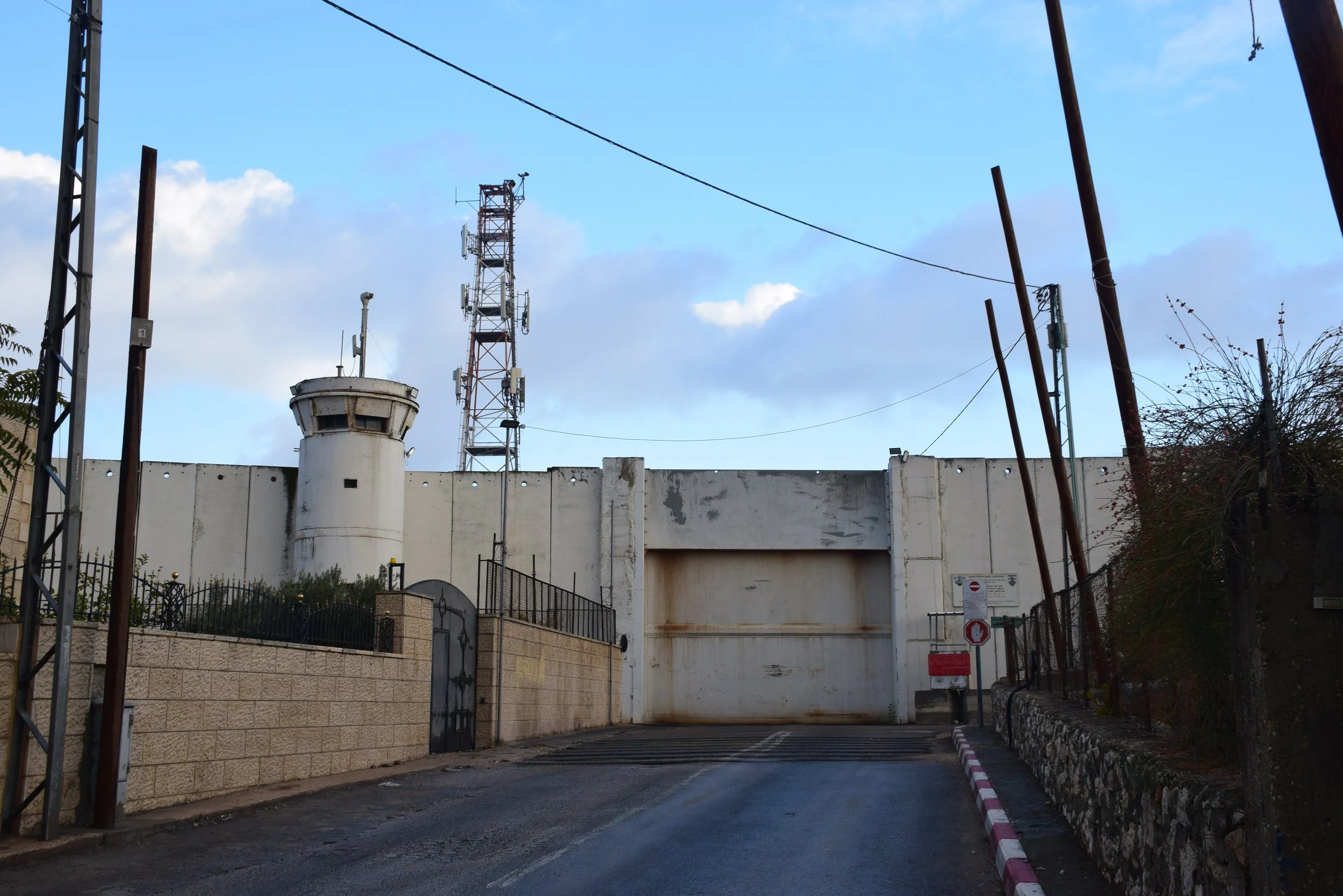
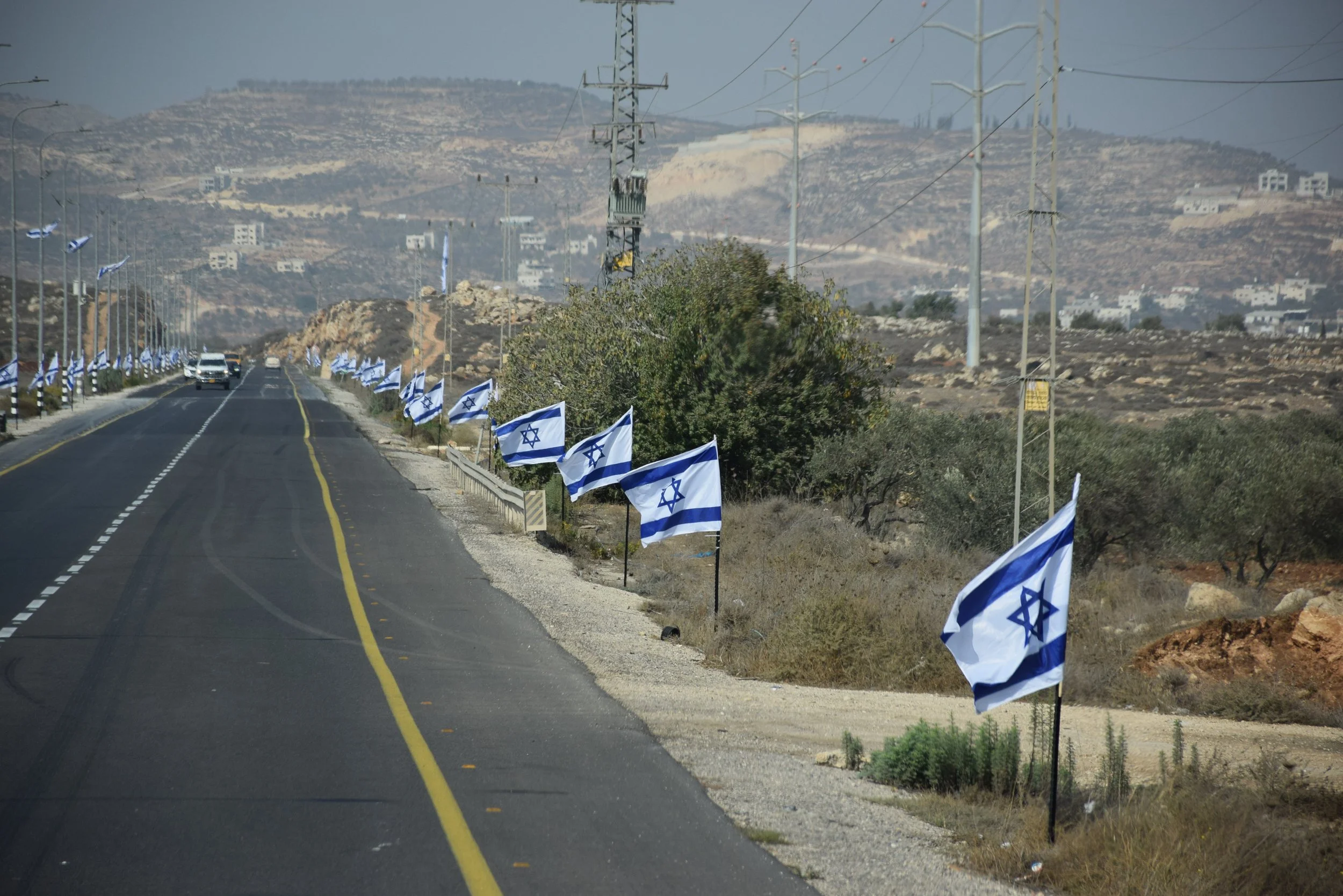
We visited eight rural communities where growing illegal Israeli settlements and outposts are stealing Palestinian land and water resources, destroying olive orchards, upending livelihoods and confining Palestinians to smaller spaces. We saw Israeli flags planted on hilltops and along roadsides as provocative signs of dominance and land takeover. We passed through the growing number of checkpoints and gates, which are closed with no warning, and which seriously impede the movement of Palestinians.
We met several men who had been injured in recent violent settler attacks or tortured in Israeli detention. We met people whose husbands or sons were imprisoned in Israeli jails, cut off from all contact with their families. We saw Palestinian homes that had been defaced by signs reading, “Death to Arabs.”
Repeatedly, we heard the fear expressed that if the current trajectory continues, Palestine could cease to be a home for Palestinians. Many Palestinians have already involuntarily left – including hundreds of Christian families in the last year alone– because the future appears so grim.
We also sensed the deep raw wound that Palestinian Christians carry because of abandonment by the global church. Our Palestinian hosts expressed great appreciation for grassroots Christians who support their struggle for a liberating and just peace, as well as those who come and act as a protective presence in threatened Palestinian communities. But they condemned the silence of most church institutions and official church bodies around the world, calling it “complicity in the genocide.”
Much of their rage is directed at Christian Zionists who support Israel and its genocide because of the belief that the modern state of Israel must exist in order for Christ to return. But Palestinian Christians also aim their harsh critique at liberal churches and those who take a “neutral” or “balanced” view of the situation and who thereby evade moral and spiritual responsibility. Kairos Palestine II asserts, “Silence, delay or cautious diplomacy while people are being killed is a betrayal of faith and humanity.”
It asks, “How can one speak of Christian fellowship or communion while denying, supporting, justifying or remaining silent before genocide…?”
If the global church did not listen and respond adequately in 2009, Kairos Palestine has not given up on it entirely in 2025. Indeed, as part of Kairos Palestine II, they demand the global church commit to these five clear and urgent asks:
Speak truth. Use the language of settler colonialism, ethnic cleansing, apartheid and genocide, as Palestinians do. Do not talk about a “war” or a “conflict,” because such language obscures the reality of the situation.
Press governments to hold Israel and the perpetrators of genocide accountable to international law. Demand sanctions.
Reject theologies and readings of scripture that support racism, supremacy, and genocide. Condemn Christian Zionism.
Practise costly solidarity. Take action that is public, courageous and willing to bear the consequences. Support the Palestinian Christian community in remaining steadfast on the land.
Support creative nonviolent resistance, especially boycott, divestment and sanctions of Israeli products and companies that are invested in the Israeli economy and military machine (BDS).
We seven Canadians returned home deeply shaken by the desperation expressed by our Palestinian Christian siblings. But we were also profoundly moved by their affirmation of faith in a God who stands with the oppressed, who affirms their dignity and humanity, and who cowers with them under the rubble.
Our Palestinian Christian siblings are living through genocide. Will we stand with them and take the bold, urgent and courageous action they ask of us? Will we go that extra mile of costly solidarity? Will we continue to challenge those who close their ears, avert their eyes and harden their hearts?
**Following the release of Kairos Palestine I in 2009, there was minimal response from the international church. In October 2023, a desperate follow-up plea was issued from KAIROS Palestine, "A Call for Repentance". At that time, CFOS collaborated with KAIROS Canada and national Canadian church offices to advocate for bolder, stronger and faster actions from the Canadian government towards justice and peace. There have been many grassroots advocacy campaigns led by CFOS, KAIROS Canada and others. We also know these actions are not enough.